

New Delhi:The rapid growth of online shopping in India has made it easier than ever to purchase high-end electronics with just a few clicks. From smartphones and laptops to expensive computer components, customers now rely heavily on e-commerce platforms for convenience, competitive pricing, and fast delivery. However, a recent shocking incident has raised serious concerns about the safety and reliability of purchasing costly items online, especially from major platforms.
A viral case involving a high-value purchase gone wrong has caught the attention of thousands of users across social media. The incident revolves around a student from IIT BHU, Harsh Raj, and his friend, who decided to invest in a powerful graphics card for their startup work. The duo placed an order for a GIGABYTE GeForce RTX 5090 graphics card on Amazon India, spending nearly Rs 3 lakh. This GPU was intended to power their server and support advanced computing tasks, making it a critical investment for their project.
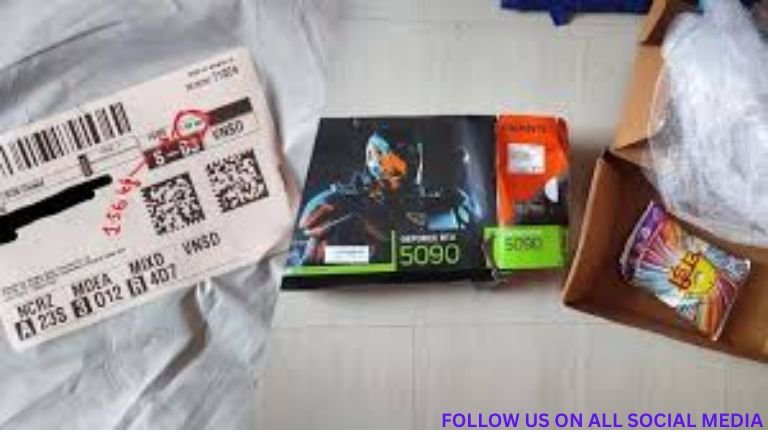
However, what they received instead left them stunned. Upon opening the package, they discovered that the box did not contain the expensive graphics card they had ordered. Instead, it had a simple one kilogram packet of Ghadi detergent powder. What was supposed to be a crucial upgrade for their work turned into a frustrating and stressful experience almost instantly.
The incident quickly gained traction online after the buyer shared details on platforms like Reddit and X. The post not only highlighted the shocking mix-up but also included evidence such as an unboxing video and observations about the package. This transparency made the story even more compelling and believable, drawing widespread attention from tech enthusiasts and regular online shoppers alike.
One of the most concerning aspects of the case is that the product was marked as “Fulfilled by Amazon.” This label typically gives buyers a sense of trust, as it indicates that the product is stored, packed, and shipped directly by Amazon’s logistics network. Customers generally assume that such orders go through strict quality checks and secure handling processes. However, this incident has shaken that confidence, raising questions about how such a serious lapse could occur within a supposedly reliable system.
The buyers provided multiple pieces of evidence that suggest the issue may not have been a simple delivery error. For instance, the shipping label on the package indicated a weight of around 1.56 kilograms. This immediately raised suspicion because a high-end graphics card like the RTX 5090, along with its packaging, typically weighs between 2.5 to 3 kilograms. The discrepancy in weight strongly suggests that the actual product may never have been inside the box in the first place.
Further adding to the suspicion was the condition of the internal packaging. While the outer Amazon packaging appeared properly sealed, the box inside showed clear signs of tampering. The manufacturer seals had been cut and then poorly reattached. Additionally, there were indications of a fake or aftermarket barcode being used. These details point toward the possibility that the package was altered somewhere along the supply chain before reaching the customer.
The presence of an unboxing video has become a crucial piece of evidence in this case. In recent years, many online shoppers have started recording unboxing videos, especially when purchasing high-value items. This practice helps provide proof in case of disputes, and in this situation, it has played a key role in supporting the buyer’s claim. Despite this, the resolution process has not been smooth for the affected customers.
As the story spread, it triggered a broader discussion about the risks associated with online shopping, particularly when it comes to expensive electronics. Many users began sharing their own experiences, some of which were similar in nature. This has led to growing concerns about whether current systems are sufficient to prevent fraud and ensure accountability.
The case also highlights the increasing dependence on e-commerce platforms and the expectations customers have from them. With advanced logistics networks and AI-driven systems in place, buyers expect a high level of accuracy and security. When such expectations are not met, it not only affects individual customers but also damages the trust that millions of users place in these platforms.
Another important angle to consider is the emotional and financial stress faced by the buyers. Spending a large amount of money on a product and receiving something completely different can be deeply frustrating. It disrupts plans, causes anxiety, and often leads to long and tiring disputes with customer support systems. For students and small startups, such losses can be particularly significant.
This incident serves as a reminder that while online shopping offers convenience, it is not without risks. It emphasizes the importance of being cautious, especially when dealing with high-value transactions. Buyers are now becoming more aware of the need to take preventive measures, such as checking seller ratings, opting for secure delivery options, and maintaining proper documentation of their purchases.
As the situation continues to unfold, it remains to be seen how the platform will address the issue and whether the affected customers will receive a fair resolution. The case has already sparked a wave of discussions and could potentially lead to stricter policies and better safeguards in the future.
For now, this incident stands as a powerful example of how even trusted platforms can face serious lapses, reminding consumers to stay alert and informed while making online purchases.