

EMIs Taking Over Your Salary Here Is How You Can Take Back Control Before It Gets Worse
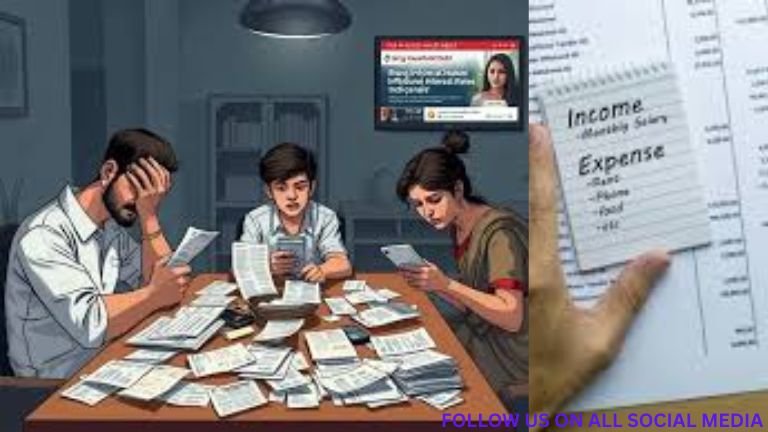
For millions of people today, the start of every month brings the same worry. Salary gets credited and within days, a large portion of it disappears into EMIs. What remains often feels too little to manage daily expenses, savings, and unexpected needs. If this situation feels familiar, you are not alone.
In recent years, loans have become easier to access than ever before. Banks and non banking financial companies are constantly offering loans for almost everything. Whether it is buying a home, purchasing a car, planning a vacation, funding a wedding, or even covering medical expenses, credit is now just a few clicks away.
With the rise of artificial intelligence, lenders are now able to target consumers more precisely. You might have noticed how loan offers seem to follow you online or appear exactly when you are thinking about making a purchase. Attractive advertisements and easy approval processes make borrowing look simple and convenient.
But what often gets overlooked is what happens after the loan is approved. The real responsibility begins when the EMI cycle starts. Every month, without fail, a fixed amount has to be paid. Over time, multiple EMIs can quietly build up and start putting serious pressure on your finances.
Why EMIs Feel More Stressful Than Ever
The problem is not just about taking one loan. Many people today are managing multiple loans at the same time. A home loan, a personal loan, a car loan, and one or two credit card bills can quickly add up.
Each of these comes with its own interest rate, due date, and repayment schedule. When combined, they can consume a significant portion of your monthly income. This leaves very little room for savings or emergencies.
Another major issue is lifestyle spending. Easy access to credit has changed the way people spend money. Instead of saving first and buying later, many people choose to buy now and pay later. While this may seem convenient in the short term, it often leads to long term financial stress.
Experts warn that rising EMIs can strain household cash flow if not managed properly. When a large part of your income goes towards repayments, even small unexpected expenses can disrupt your financial balance.
The First Step Is Awareness
Before you can fix the problem, you need to clearly understand it. Many people avoid checking their finances closely because it feels overwhelming. But ignoring the situation only makes it worse.
Start by listing all your loans. Write down the amount you owe, the interest rate, the EMI amount, and the remaining tenure for each loan. This simple exercise can give you a clear picture of your financial commitments.
Once you see the full picture, you will be better prepared to make informed decisions. You will know which loans are costing you the most and which ones can be managed more easily.
Why High Interest Debt Is Dangerous
Not all loans are equal. Some loans cost you much more than others due to higher interest rates.
Credit card debt is usually the most expensive. If you do not pay your full bill on time, the interest can be extremely high. Personal loans also tend to have higher interest rates compared to secured loans.
On the other hand, loans like home loans or loans against property usually have lower interest rates because they are backed by assets.
This difference is important because high interest loans can quickly increase your financial burden. Even if the EMI amount looks manageable, a large part of your payment may be going towards interest rather than reducing the actual loan amount.
That is why financial experts often suggest focusing on clearing high interest debt first. Doing so can reduce your overall interest outflow and help you regain control over your finances faster.
The Hidden Impact on Your Financial Health
When EMIs take up a large part of your salary, it affects more than just your monthly budget. It also impacts your long term financial health.
For example, you may find it difficult to save for important goals like buying a house, funding your child’s education, or planning for retirement. Without proper savings, even a small emergency can force you to take on more debt, creating a cycle that is hard to break.
Another important factor is your credit score. Missing EMI payments or delaying them can negatively affect your credit score. A poor credit score can make it harder to get loans in the future or may result in higher interest rates.
Can You Still Take Back Control
The good news is that even if you are already struggling with EMIs, it is possible to improve your situation. It requires discipline, planning, and a willingness to make some lifestyle changes.
The key is to act early before the situation becomes unmanageable. Small steps taken today can make a big difference over time.
In the next part, we will look at practical strategies that can help you reduce your financial stress, manage your EMIs more effectively, and start building a more secure financial future.
Once you understand how much of your income is going towards EMIs, the next step is to take clear and practical actions to regain control over your finances. The goal is not just to survive month to month but to create a system where your money works in your favor and not against you.
The first and most important step is to review your monthly spending habits. Many people underestimate how much they spend on non essential items. Small expenses such as eating out frequently, online shopping, entertainment, and lifestyle upgrades may seem harmless individually, but together they can take away a significant portion of your income. By identifying and reducing these expenses, you can free up money that can be redirected towards loan repayment.
It is important to make a clear distinction between needs and wants. Needs include essential expenses like rent, groceries, utilities, and basic transportation. Wants, on the other hand, include discretionary spending that can be postponed or reduced without affecting your daily life. Cutting down on wants, even temporarily, can make a noticeable difference in your financial situation.
Another effective strategy is to prioritise repayment of high interest loans. As discussed earlier, credit card dues and personal loans usually carry the highest interest rates. Paying off these loans first can significantly reduce the total interest you pay over time. This approach not only lowers your financial burden but also helps you become debt free faster.
If you are managing multiple loans, it is important to avoid taking on new debt. This can be challenging, especially when attractive offers and easy approvals are constantly presented. However, adding new EMIs will only increase the pressure on your finances. Staying disciplined and resisting unnecessary borrowing is a crucial part of financial recovery.
Building an emergency fund is another key step that many people ignore. An emergency fund acts as a financial safety net during unexpected situations such as medical emergencies, job loss, or urgent repairs. Ideally, this fund should be enough to cover at least six months of your essential expenses. Having this cushion can prevent you from relying on additional loans during difficult times.
In some cases, restructuring your existing loans can also help. You may consider options such as increasing the loan tenure to reduce the EMI amount or consolidating multiple loans into a single loan with a lower interest rate. While these options can provide temporary relief, it is important to evaluate them carefully to ensure they do not increase your overall financial burden in the long run.
Another practical step is to align your EMI payments with your income cycle. For example, scheduling your EMI payments soon after your salary is credited can help you avoid missing due dates and incurring late fees. Consistency in payments not only reduces stress but also helps maintain a good credit score.
If your debt situation feels overwhelming, seeking professional advice can be a wise decision. A personal finance advisor can help you create a structured repayment plan based on your income, expenses, and financial goals. They can also guide you on how to manage your finances more effectively in the future.
It is also important to review your use of credit cards. Having multiple credit cards can make it easier to overspend and accumulate debt. If possible, consider reducing the number of cards you use or even closing unnecessary ones. This can help you control spending and avoid high interest charges.
At the same time, focus on improving your financial habits. Simple actions such as tracking your expenses regularly, setting monthly budgets, and reviewing your financial goals can go a long way in building long term stability. These habits may seem basic, but they create a strong foundation for better money management.
Managing EMIs is not just about numbers. It also has a psychological aspect. Financial stress can affect your mental well being and decision making. Taking control of your finances can bring a sense of relief and confidence. Even small progress, such as paying off one loan completely, can motivate you to stay on track.
In conclusion, while EMIs can feel overwhelming, they do not have to control your financial life. With careful planning, disciplined spending, and a clear repayment strategy, it is possible to reduce debt and improve your financial health. The key is to act early, stay consistent, and make informed decisions. Over time, these efforts can help you move from financial stress to financial stability and create a more secure future.